Fall Gutter Maintenance in Ohio: Why It Matters Before Winter

Fall leaves filling a residential gutter on an Ohio home, highlighting the importance of gutter maintenance before winter.

Ohio’s trees put on a great show every fall — and then all of it ends up in your gutters. Between maple, oak, and sycamore leaves shedding over a few short weeks and the first cold snaps arriving right behind them, gutters do some of their hardest work of the year in September and October. A system that’s been coasting since spring can go from “fine” to “overflowing” in a single windy week.

Fall gutter maintenance Ohio homeowners can’t afford to skip starts with understanding why the season is different. Getting gutter maintenance before winter done early spares you from freeze-related repairs later, and it’s one of the most common — and most avoidable — ways homeowners end up with roof damage. Here’s what to check, how often to check it, and when it’s time to bring in a professional.

Why Gutter Maintenance Matters More in Fall

Gutters exist to move water off your roof and away from your home’s foundation. In fall, that job gets harder. Leaves, pine needles, and seed pods collect in the channel and around downspout openings, slowing or completely blocking the flow of water. Add in the season’s heavier rain and the first frosts of the year, and a clogged gutter stops being a minor nuisance and starts being a real risk to your roofline, siding, and foundation.

A blocked gutter in October doesn’t just sit there — it sets up problems that show up in January. Standing water near the roof edge can freeze and thaw repeatedly, and water that overflows the gutter instead of draining through the downspout has nowhere to go but down your siding or into your foundation soil. Nobody wants clogged gutters leaf season after leaf season, and that’s why fall is the season gutter maintenance pays off the most.

How Often Should You Clean Your Gutters in Ohio?

Gutter cleaning frequency depends heavily on how many mature trees surround your home. Most Ohio homes should have gutters cleaned at least twice a year — once in late spring and again in mid-to-late fall after the majority of leaves have dropped. Homes with mature trees overhanging the roof, or homes in heavily wooded neighborhoods, often need a mid-fall check as well, since a single storm can fill a gutter run in one afternoon.

Local conditions matter too. Homes near Lake Erie or in windier, higher-elevation parts of the state tend to collect more wind-blown debris and benefit from an extra inspection heading into winter. If you’re not sure how your home compares, a quick gutter inspection can tell you whether twice a year is enough or whether your home needs more frequent attention.

Signs Your Gutters Need Attention Before Winter

Here are the clearest signs gutters need repair before the first hard freeze, easy to spot from the ground:

  • Water spilling over the sides of the gutter during or after rain
  • Visible sagging or gutters pulling away from the fascia
  • Standing water or plant growth inside the gutter channel
  • Water stains, streaking, or peeling paint on siding below the gutter line
  • Pooling water near the foundation after a rainstorm
  • Gutter guards packed with debris despite being installed to prevent this

Sagging gutters or gutters separating from the roofline can also point to a bigger issue with the fascia board behind them. Our soffit and fascia services page covers how that support system works and when it needs repair alongside your gutters.

Downspout Sizing: What Ohio Homeowners Should Know

Downspouts are the part of the system most homeowners overlook, but sizing matters. Standard residential downspouts are typically 2×3 inches, which works fine for smaller roof sections. Larger roofs, steeper pitches, or roofs that funnel a lot of water into a single run often need 3×4-inch downspouts to keep up with Ohio’s heavier fall and spring storms.

An undersized downspout can look completely fine and still be the reason a gutter overflows in a downpour — the gutter itself isn’t clogged, it just can’t drain fast enough. If your gutters consistently overflow at the same one or two spots on the house even after cleaning, downspout capacity is worth checking before assuming the gutter itself is the problem.

What Happens When Gutters Are Neglected Before Winter

Ohio winters don’t give neglected gutters much room for error. Water that can’t drain properly refreezes overnight, and that repeated freeze-thaw cycle is where most cold-weather gutter damage comes from:

  • Ice dams that force water backward under roofing shingles
  • Gutters pulled loose or torn away under the weight of ice
  • Water intrusion at the roof edge, fascia, and soffit
  • Siding damage from water repeatedly overflowing in the same spot
  • Foundation cracking or basement moisture from water pooling at ground level

Roofs that already have storm damage from earlier in the year are especially vulnerable once ice dams form. If your roof took a hit from summer storms, our storm damage repair team can assess it before winter adds another layer of stress. And if you’ve been debating a full roof replacement, our guide on replacing your roof before fall walks through why late summer and early fall is the ideal window to get it done.

When to Call a Professional for Gutter Maintenance

DIY gutter cleaning is realistic for single-story homes with easy roof access and no major overhang. For everything else — two-story homes, steep rooflines, gutters near power lines, or gutters you haven’t been able to inspect closely — a professional evaluation is the safer call.

A professional visit also catches things a homeowner on a ladder usually can’t: loose fasteners, early fascia rot, undersized downspouts, or subtle sagging that signals a bigger repair is coming. Catching those issues in the fall is far less costly than dealing with them after a winter freeze makes the damage worse.

D1 Roofing provides gutter installation services, gutter maintenance Dayton homeowners trust, and gutter maintenance Akron homeowners rely on year after year, along with full exterior inspections for homeowners in Cleveland, OH, and throughout our Columbus, Cincinnati, Toledo, Youngstown, and Pittsburgh service areas. A fall inspection is one of the simplest ways to head into winter with confidence in your home’s exterior.

Frequently Asked Questions About Fall Gutter Maintenance

How often should gutters be cleaned in the fall?

Most Ohio homes should be cleaned once in mid-to-late fall after the majority of leaves have dropped, with a second check earlier in the season for homes with heavy tree coverage.

What’s the ideal downspout size for an average Ohio home?

Standard homes typically use 2×3-inch downspouts, while larger or steeper roofs often need 3×4-inch downspouts to handle heavier rainfall without overflowing.

Can clogged gutters cause roof damage?

Yes. Clogged gutters can force water to back up under roofing shingles, especially once temperatures drop and standing water begins to freeze, leading to leaks and ice dams.

Should gutters be cleaned before or after all the leaves have fallen?

A cleaning after most leaves have dropped is typically most effective, though homes with heavy tree coverage may need an additional cleaning earlier in the season to prevent buildup.

What are the warning signs my gutters need repair?

Sagging sections, water overflowing during rain, visible separation from the fascia, and standing water in the channel are all signs a gutter needs repair or replacement.

Do gutter guards eliminate the need for cleaning?

No. Gutter guards reduce debris buildup but don’t eliminate it entirely — fine particles and seed pods can still collect and require occasional cleaning.

How does gutter neglect affect siding and the foundation?

Overflowing gutters can send water directly down siding and pool at the foundation, which over time can lead to staining, moisture damage, and foundation cracking.

When should I call a professional instead of doing it myself?

Two-story homes, steep rooflines, and gutters near power lines are safer left to a professional, who can also catch early signs of fascia or downspout issues during the visit.

Cleveland Homeowners: How Lake Erie Weather Impacts Your Roof’s Lifespan

D1 Roofing, Lake Erie weather, Ohio roofing, roof lifespan, Lake Erie roofing, Ohio weather, roof damage, severe weather, roofing contractor, roof maintenance, storm damage, Northeast Ohio roofing, Ohio homeowners

If you own a home in Cleveland, your roof works harder than roofs almost anywhere else in Ohio. Sitting along Lake Erie means dealing with lake-effect snow, sharp freeze-thaw swings, and wind gusts that pull straight off the water. Each of these conditions shortens your Cleveland roof lifespan a little differently, and understanding how Lake Erie weather roof damage develops helps you catch problems while they’re still small and inexpensive to fix.

Why Lake Erie Weather Is Uniquely Hard on Roofs

Cleveland’s location puts it directly in the path of weather patterns that most of the state never sees. Here’s what that means for the roof over your head.

Lake-Effect Snow and Ice Dams

Lake-effect snow can dump far more accumulation on Cleveland roofs than a typical winter storm elsewhere in Ohio, and this kind of lake-effect snow roof damage often starts small. That extra weight is one concern, but the bigger issue is what happens as the snow melts and refreezes. Warm air escaping from the attic melts snow on the upper roof, and that water runs down to the colder eaves, where it refreezes into an ice dam. Ice dams Cleveland homeowners see year after year form in this exact way, and once a dam forms, meltwater has nowhere to go but backward, under the shingles and into the roof deck, where it can cause leaks, rot, and damaged insulation long before you notice a stain on the ceiling.

Freeze-Thaw Cycles and Shingle Damage

Cleveland winters rarely settle into one temperature for long, and this back-and-forth is where a lot of freeze-thaw roof damage comes from. Repeated swings above and below freezing mean that any moisture trapped in a small crack or seam expands and contracts over and over. Over a season, that cycle widens minor imperfections into real vulnerabilities, accelerates granule loss, and makes shingles more brittle and prone to cracking. A roof that would last two to three decades in a milder climate often shows this kind of wear noticeably sooner along the lakeshore.

High Winds Off the Lake

With no real barrier between the open water and the shoreline, wind gusts off Lake Erie tend to be stronger and more sustained than inland wind events. Sustained wind can lift shingle edges, loosen flashing around chimneys and vents, and drive rain sideways underneath roofing materials that would otherwise shed water just fine. Even when a wind event doesn’t cause obvious damage, it can loosen components enough that the next storm finishes the job.

Signs Your Roof Is Showing Weather Wear

Lake Erie’s weather works slowly, so the warning signs are often easy to miss until they turn into a larger repair — or until a single storm turns minor wear into a storm damage repair situation. Watch Fo

  • Granules collecting in gutters or at the base of downspouts
  • Shingles that are curling, cracking, or lifting at the edges
  • Ice dams forming along the eaves every winter
  • Water stains or discoloration on interior ceilings and walls
  • Missing or visibly damaged flashing around chimneys, vents, and skylights
  • A roof deck that feels soft, spongy, or uneven underfoot

How to Extend Your Roof’s Lifespan in Northeast Ohio

None of these weather patterns are going away, but the right maintenance habits go a long way toward protecting your investment:

  • Schedule a professional roof inspection, Cleveland, OH, homeowners can count on each fall, before winter weather sets in
  • Improve attic insulation and ventilation to reduce the temperature difference that causes ice dams
  • Keep gutters clear, or upgrade to new gutter installation if yours are undersized for lake-effect snowmelt volume
  • Handle minor roof repair issues as soon as they’re identified, rather than waiting for spring
  • Choose wind- and impact-rated materials if you’re due for a replacement

D1 Roofing Serves Homeowners Across Ohio and Beyond

D1 Roofing & Exteriors works with homeowners throughout Cleveland and communities across Ohio and the surrounding region, so our crews know firsthand what lake-effect snow, freeze-thaw cycles, and high winds do to a roof over time. If a repair or replacement is on the horizon, we also offer financing options to help make the project more manageable, whatever the scope of work turns out to be.

Schedule a Free Roof Inspection Today

The best time to find out how Lake Erie weather has affected your roof is before the next storm rolls in, not after. Get an instant roof quote and have a D1 Roofing specialist take a closer look at what your roof needs to make it through another Cleveland winter.

Common Questions About Cleveland Roofs and Lake Erie Weather

How does Lake Erie weather affect roof lifespan in Cleveland?

Lake Erie weather shortens roof lifespan by combining heavy lake-effect snow loads, frequent freeze-thaw cycles, and strong lakeshore winds, all of which accelerate shingle wear, ice dam formation, and flashing damage compared to roofs in milder inland climates.

What are ice dams and how do they damage a roof?

Ice dams are ridges of ice that form at the roof’s edge when melting snow refreezes before it can drain off. They damage roofs by trapping meltwater, which then backs up under shingles and into the roof deck, leading to leaks, rot, and interior water stains.

How often should Cleveland homeowners get a roof inspection?

Cleveland homeowners should get a professional roof inspection at least once a year, ideally in the fall before winter weather arrives, along with a follow-up check after any major storm.

Does D1 Roofing serve areas outside Cleveland?

Yes, D1 Roofing & Exteriors serves homeowners across multiple communities in Ohio and the surrounding region, in addition to Cleveland.

What roofing materials hold up best against lake-effect weather?

Impact-resistant and wind-rated shingles tend to hold up best against lake-effect weather, since they’re built to resist the granule loss, cracking, and wind-lift that repeated snow, freeze-thaw cycles, and lakeshore gusts cause over time.

Should You Replace Your Roof Before Fall? Why August Is the Perfect Time in Ohio

Aerial view of a residential roof replacement in progress in Ohio, with roofing crews installing a new asphalt shingle roof before the fall season.

Summer is winding down, and if your roof has been on your mind all season, now is the moment to act. A roof replacement before fall isn’t just about beating the weather — it’s about protecting your home before Ohio’s temperamental autumn arrives with wind, rain, and the season’s first cold snaps. Homeowners who wait until leaves start falling often find themselves scrambling for an appointment, paying rush pricing, or riding out a storm under a roof that should have already been replaced.

Why Timing Your Roof Replacement Matters

Roofing materials perform best when they’re installed in specific temperature ranges. Asphalt shingles need warmth to seal properly, adhesives cure more reliably in dry, moderate conditions, and crews can move faster and safer when they’re not fighting ice, wind, or an early snowstorm.

That’s why the best time to replace a roof in Ohio typically falls in the late summer months, when temperatures are warm enough for proper sealing but before the unpredictable weather swings that define an Ohio fall.

3 Reasons August Is the Perfect Time to Replace Your Roof

Milder Weather Means Better Shingle Sealing

August in Ohio still offers warm days without the extreme heat of July, giving shingles the ideal window to bond and seal properly. That seal is what keeps wind-driven rain and ice out later in the year, so a roof installed now will be better prepared for whatever winter brings.

You’ll Beat the Fall Rush Before Schedules Fill Up

Every September, roofing contractors across Ohio see a surge in calls from homeowners who waited too long. Scheduling your project in August means you’re not competing for appointment slots with the entire neighborhood, and you avoid the compressed timelines that come with squeezing in a job before the first freeze.

You’re Protected Before Ohio’s Unpredictable Fall Storms

Ohio’s fall weather can turn quickly — one week of sunshine followed by a wind storm that finds every weak spot on an aging roof. Completing your roof replacement before fall means you won’t be caught off guard, tarping a leak in October instead of enjoying a roof that’s already finished.

Signs You Shouldn’t Wait Until Fall to Replace Your Roof

Not sure if your roof can make it through another season? These are some of the most common signs you need a new roof: curling, cracked, or missing shingles; granules collecting in your gutters; daylight visible through the attic boards; water stains spreading across ceilings; or a roof that’s simply reached the end of its expected lifespan.

If any of these sound familiar, a roof inspection is worth scheduling before summer ends, not after the first fall storm rolls through.

What Happens If You Wait Too Long?

Putting off a roof replacement rarely saves money — it usually costs more in the long run. Materials and labor pricing can shift with the seasons, and roof replacement cost only grows if minor damage is left to worsen into structural issues, water damage, or mold.

Waiting until fall or winter also limits your options: some materials and installation methods aren’t recommended in colder weather, which can mean settling for a rushed job instead of the roof your home deserves.

Why Ohio Homeowners Trust D1 Roofing for Roof Replacement

When it comes to roof replacement in Ohio, homeowners choose D1 Roofing because we treat every roof like it’s protecting our own family. Whether you’re in Cleveland, Columbus, or Cincinnati — or anywhere across our service areas — our local roofing contractor in Ohio teams understand exactly how the region’s weather stresses a roof over time, and we build every replacement to hold up against it.

From a thorough roof inspection to a custom roof replacement built around durability and proper ventilation, our team walks you through every option so you know exactly what you’re getting and why.

Schedule Your Roof Replacement Before Fall

There’s still time to schedule a roof replacement and have it completed before Ohio’s fall weather sets in — but that window is closing fast. If you’re already noticing signs of wear, don’t wait for a fall storm to make the decision for you.

D1 Roofing offers financing options to help make a fall roof replacement more manageable, and our team is ready to walk you through a free estimate so you know exactly what to expect. If a storm has already caused damage, we can also help you assess storm damage before it becomes a bigger problem.

Ready to get started? Schedule your free estimate today and let D1 Roofing help you cross roof replacement off your list before the leaves start falling.

Frequently Asked Questions About Roof Replacements

When is the best time to replace a roof in Ohio?

Late summer, especially August, is generally the best time to replace a roof in Ohio. Temperatures are warm enough for proper shingle sealing, but you’ll still beat the fall rush and the season’s unpredictable storms.

How long does a roof replacement take?

Most residential roof replacements take one to three days, depending on the size of the roof, the materials chosen, and the weather. Your contractor should give you a specific timeline after an initial inspection.

Will replacing my roof before fall actually save me money?

Yes — replacing your roof before damage worsens typically costs less than waiting. Delaying repairs can lead to water damage, mold, or structural issues that are far more expensive to fix than the original roof replacement.

Can I schedule a roof replacement in August if my roof isn’t damaged yet?

Absolutely. In fact, replacing an aging roof before it fails is one of the best ways to avoid emergency repairs, and August’s mild weather makes it an ideal time to get ahead of the problem.

What roofing materials hold up best in Ohio’s climate?

Ohio’s mix of humid summers, cold winters, and heavy storms calls for durable materials like architectural asphalt shingles or metal roofing. A local roofing contractor can recommend the best option based on your home and budget.

Summer Home Maintenance Checklist: Roofing, Siding, Windows & Gutters

Summer’s here, and so is the perfect time to give your home’s exterior a little extra attention. While barbecues and beach trips are high on the list, don’t overlook the importance of seasonal maintenance—especially for your roof, siding, gutters, and windows.

At Division 1 Roofing, we know that small exterior issues can turn into major headaches if left unchecked. That’s why we’ve put together this summer checklist to help you protect your home from the top down, all season long.

Roof: Your Home’s First Line of Defense

Your roof takes the brunt of every season, and summer is the perfect time to ensure it’s still doing its job—especially after a spring filled with heavy rain, strong wind, and large hail. These extreme weather conditions can all cause damage to your home’s exterior, and while some issues are easy to spot, others require a closer look to catch early warning signs before small issues turn into costly repairs.

Here’s what to look for:

  • Missing, curling, or cracked shingles: These are signs of wear that can expose your roof to leaks and structural damage if left unaddressed.
  • Loose or damaged flashing: Flashing protects vulnerable areas like skylights, vents, and chimneys. If it’s damaged, loose, or corroded, water can sneak into your home.
  • Water stains in the attic or on ceilings: Staining or discoloration often means there’s a leak somewhere, even if it hasn’t become obvious yet.
  • Debris buildup in roof valleys: Leaves and branches can trap moisture in key areas, leading to rot or mold growth if not cleared.

If you’re unsure what counts as routine wear and tear versus something more serious, a trained eye can make all the difference in spotting what you might miss.

Gutters: Keep the Water Flowing

Gutters play an important role in protecting your home from water damage. When they’re clogged, blocked, or pulled away from the roofline, water can become backed up and cause damage to your siding, fascia, and the foundation of your home.

Make sure to:

  • Clear out debris from gutters and downspouts: Leaves, twigs, and roofing granules often collect in gutters over time, blocking water flow and increasing weight strain.
  • Check for sagging or detachment: Gutters should be firmly secured to your home. If they’re dipping or pulling away, water may be draining in the wrong places.
  • Inspect downspouts: Ensure that they’re intact and directing water a few feet away from your home’s foundation to prevent erosion or basement leaks.

Routine gutter maintenance ensures your home’s structure is protected and helps prevent costly water damage down the line. 

Siding: More Than Just Curb Appeal

Your siding does more than make your home look good—it acts as a shield against weather conditions including strong winds, heavy rain, and harsh UV exposure. Its condition plays a critical role in the overall structural integrity of your home.

Be on the lookout for:

  • Cracks, warping, or loose panels: These openings can let moisture in and cause internal damage you won’t see until it becomes a serious issue.
  • Mold or mildew buildup: Especially near the foundation or in shaded areas, this may be a sign of excess moisture, rotting, or poor drainage.
  • Faded or peeling surfaces: Overtime, sun and UV exposure breaks down protective coatings. Repainting or resealing may be needed to preserve your siding’s durability and weather resistance.

Even subtle changes in your siding’s appearance could indicate that there is a bigger issue developing underneath.

Windows: Sealing in Comfort

Summer heat can expose problems with your windows that may have gone unnoticed during the cooler months. Since windows play a major role in your home’s energy efficiency, issues like damaged seals or outdated panes can allow unwanted heat to enter your home. Not only does this drive up the cost of cooling, but it also reduces the overall comfort inside your home. 

Check your windows for:

  • Drafts or foggy panes:  Fog between panes is usually a sign the seal is damaged, which means your insulated glass is no longer effective.
  • Cracked glass or damaged frames: Even small cracks in the glass or damage to the frame can expand in the heat or with sudden storm impact.
  • Warped frames or failing caulking: Gaps around your window frame can allow moisture to get in, and also reduce energy efficiency.
  • Screen damage: Torn screens aren’t just an invitation for bugs—they also reduce airflow and can create uneven pressure on the window frames.

Catching these problems early can help you avoid higher energy bills, extend the life of your windows, and boost energy efficiency within your home.

Let Division 1 Roofing Help You Stay Ahead of Repairs

When it comes to your home’s exterior, summer maintenance is about staying proactive, not scrambling to fix problems when it’s too late. While some issues are easy to spot, many signs of wear and tear to your home require an experienced eye. Whether you’re concerned about your roof, gutters, siding, or windows, Division 1 Roofing is here to help with honest assessments, expert service, and durable solutions built to last.

Schedule your free inspection with Division 1 Roofing today and enjoy the season with confidence, knowing your home is in expert hands.

Preventing Roof Leaks from Heavy Spring Rain: Why Professional Roofing Services Matter

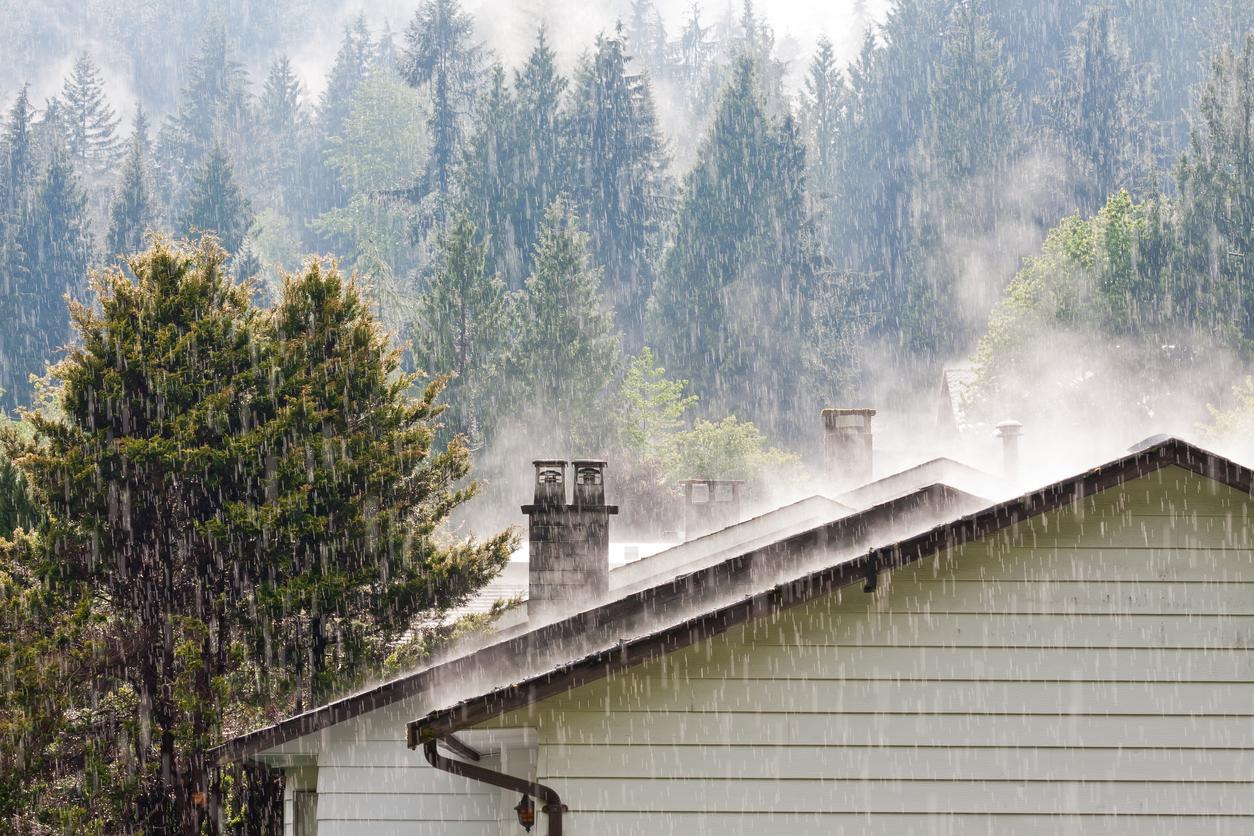
Springtime is here, and with it comes severe weather, including strong winds, heavy rain, hail, and even tornadoes. These unpredictable conditions can put your home’s roof at risk, especially if it hasn’t been professionally inspected to assess its condition after the winter season. Although DIY repairs may seem like a quick and affordable solution, relying on professional roofing services ensures long-term protection for your home. A trained eye can catch things that the average homeowner might not see, and help prevent those sneaky springtime leaks before they turn into bigger problems. 

Common Causes of Roof Leaks in Spring

As the seasons change, many homeowners will experience major wear and tear to their roof, and the damage isn’t always immediately visible. Spring storms and heavy rain can expose weaknesses on your roof that lead to leaks, water damage, and costly repairs. In many cases, these problems require professional storm damage roof repairs to prevent any further deterioration and protect your home. There are several contributing factors that lead to roof leaks in spring:

– Missing, worn, or damaged shingles are one of the most common issues homeowners face. Seasonal damage from winter weather and freezing temperatures can cause shingles to loosen or break, creating gaps where rainwater can seep into your home.

– Another significant risk that homeowners face are clogged gutters. Leaves and other debris can build up over time, blocking water from flowing freely. When gutters become clogged, it causes water to back up and can lead to leaks along the roofline or even seep into your home’s walls and foundation.

– Flashing around chimneys, vents, and skylights can also be another major issue. Flashing that becomes damaged or poorly sealed due to heavy rain then allows water to enter these vulnerable areas on your roof. Without secure flashing, your roof is at a higher risk of leaks and other damage during spring storms.

– Finally, poor ventilation in your attic can cause additional troubles. Without enough airflow, moisture can build up inside the home. Lack of proper air circulation causes moisture to condense and eventually lead to mold growth or even leaks through the roof deck.

The Risks of Attempting Roof Repairs Yourself

Although fixing a leaky roof may seem like a quick DIY project, it can actually be pretty risky—and might even make things worse if not done right. Repairing a roof requires working at height, which poses numerous safety risks, especially without proper equipment, skills, and training. Falling from a ladder or incorrectly using roofing equipment can lead to serious injuries. 

Additionally, homeowners without professional roofing experience may easily overlook structural damage, such as weakened decking or damaged rafters. Without proper knowledge, a quick fix will only cover the surface problem and fail to solve the underlying issue, leaving your roof vulnerable to even more damage.

A DIY roof repair might appear to be an easy fix, but a quick solution doesn’t always hold up or solve the problem. In fact, it can make things worse. This can cause the homeowner to incur more expenses in the long run. Mistakes on a DIY can leave you financially responsible for issues and can even void your roof of material warranties.   

How Professional Roofing Services Protect Your Home

Hiring a professional roofing team will give you peace of mind by ensuring your roof is properly repaired and maintained. Roofing experts are able to identify any potential issues early, and ensure that  minor problems don’t turn into major leaks or damage. Through thorough and comprehensive inspections, the professional can detect any hidden damage, including damaged shingles, flashing, ventilation, and gutters. Professional roofers also use high-quality materials and proven techniques to ensure long-lasting results. Their expertise ensures that roofing repairs are done right the first time, providing reliable protection against leaks and water damage.

Schedule an Inspection with Division 1 Roofing

Spring showers may be unpredictable, but taking care of your roof doesn’t have to be. By investing in professional roofing services, you can avoid costly water damage and extend the lifespan of your roof for years to come. Don’t wait until a small leak turns into an even bigger headache. Contact Division 1 Roofing today and schedule a free roof inspection to ensure that your home is ready whatever the next spring storm brings!

Seasonal Roof Inspections: Why Spring is the Best Time for a Check-Up

spring roof inspection by division 1 roofing

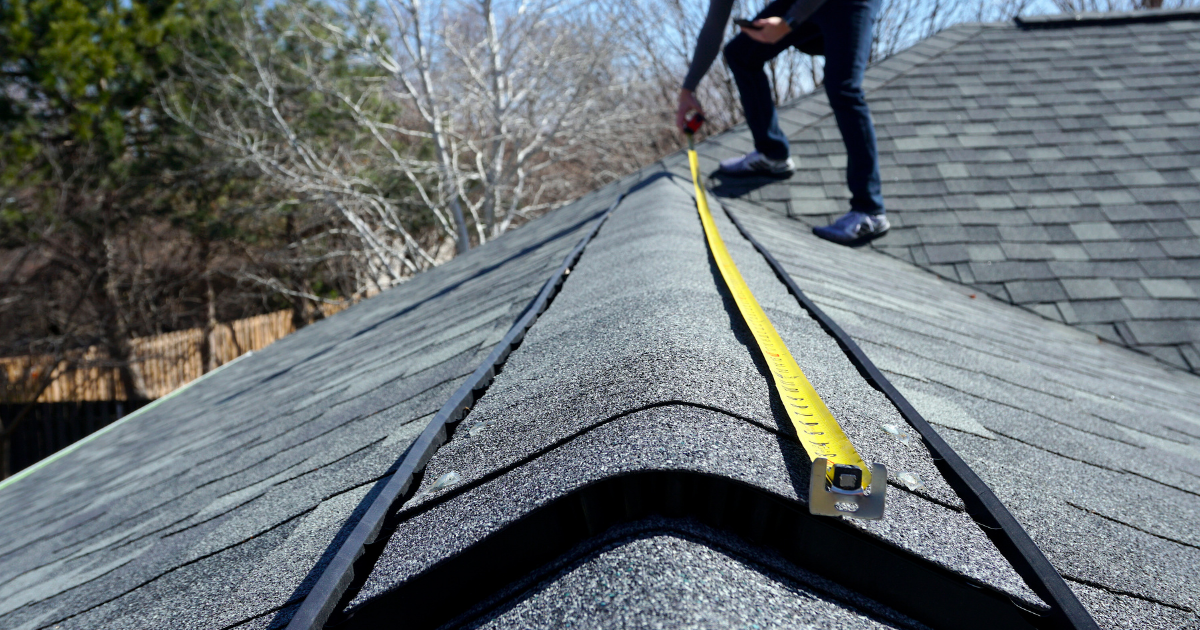
As winter comes to an end and springtime approaches, many homeowners may begin to see the winter effects of wear and tear on their roof. With warmer weather approaching, now is the perfect time to schedule a roof inspection in order to identify any damage before it worsens. By scheduling a springtime inspection, homeowners can avoid costly repairs and ensure their roof is in perfect condition.

Assess Winter Damage 

Harsh winter weather including frigid temperatures, ice dams, heavy snowfall and strong winds can all cause damage to a roof. As a result of these conditions, gutters may become clogged, shingles may loosen or become damaged, and hidden leaks can form. Having a professional come out and inspect your roof in the springtime is a crucial part of identifying any of these issues. 

What a spring roof inspection checks for:

  • Damaged, warped, cracked, or missing shingles
  • Clogged gutters and downspouts
  • Damaged flashing around chimneys and vents
  • Signs of water damage on the roof deck
  • Proper roof ventilation

Extend Roof Lifespan 

It is extremely beneficial to catch these issues as early as possible, and can help prevent them from developing into a much larger, and more costly issue for the homeowner. Inspections and timely repairs can extend the lifespan of a roof. Early detection can prevent further damage and save homeowners from a premature and costly roof replacement. Scheduling a springtime check-up can result in long-term savings and provide homeowners with a peace of mind.

Increase Energy Efficiency 

Higher energy costs are a direct result of a roof that is in poor condition. Leaks, gaps, and damaged shingles make it harder for your home to regulate indoor temperature by allowing air to escape. Scheduling a springtime inspection will help reduce costly utility bills and improve a home’s energy efficiency.

Schedule an Inspection with Division 1 Roofing 

Our team of experts will help you protect your home and give you peace of mind going into the Spring season. Schedule your FREE spring roof inspection with one of our knowledgeable roofing professionals today and don’t wait until minor issues turn into a more costly repair!

Can I Deduct the Cost of Roof Repair on My Taxes?

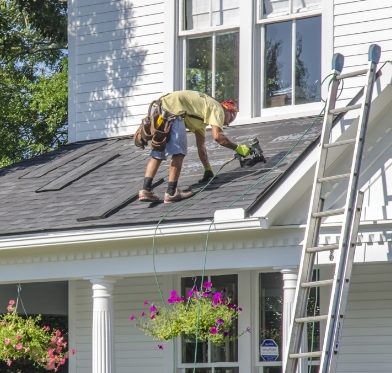
safety roof

When looking at major home repairs, you’ll want to exploit every cost-saving measure possible. You may wonder if any of these expenses are tax-deductible. Here we’ll present some ways that home renovation might be a qualified deduction, including roof repair.

Home Improvement Projects Are Not Tax Deductible

Roof repairs are considered home improvement projects. Since a roof is such a vital component of your home, it almost seems like this type of project should have a higher classification, but that’s not the case. Since you can’t deduct most home improvement costs, you can’t deduct a roof repair.

An exception to the rule is if your home improvement project involves an energy-efficient system. For example, if you installed solar panels on your roof, you may be able to deduct this cost when you file your taxes.

Capital Improvement

If you sell your home, you can capitalize on the cost of roof repair. You have to pay taxes on any profit made. Your profit will be calculated by subtracting the home’s original cost and any qualified home improvement costs from the new purchase price of your place. A roof repair is considered a qualified home improvement, so it can reduce your tax basis. You should keep track of your receipts and make sure you include the repair costs when you file your taxes for the year you sold the home.

Rental Property

One other scenario in which you can deduct roof repair costs involves a rental property. If you repair a roof on a property that you rent out, you can list the repair cost as an expense, which can be deducted from your tax return.

A Trustworthy Roofing Company

At Division 1 Roofing, we’ve helped many customers in Powell, OH and the surrounding areas with roof repair. Our highly trained staff is held to high standards, and you’ll be pleased with our professionalism and efficiency. In addition to roof repair, you can rely on us for roof replacement. If your roof was damaged by a natural disaster or storm, trust our trained insurance restoration specialists to deal with the insurance company on your behalf. Call us for information!

Is HOA Approval Required for a Roof Replacement?

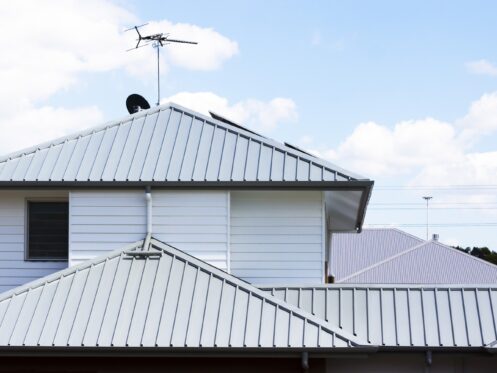
metal roof

There’s a lot to think about and plan when it comes to replacing your roof. What type of roofing material will you select, and what company will you choose to get the job done? Also remember that before any work is started, you may need to get your paperwork in order.

HOA May Have the Final Say

If you’re part of a homeowners association, you may need approval for your roof replacement. You’ll have to check the rulebook to be sure. Many HOAs want to make sure that each home in the community meets high standards. If someone were to get a roof that looks completely out of place, for instance, members of the HOA might not be pleased. Considering the possibilities of what could happen if there were no rules, it makes sense that HOAs have regulations regarding major projects like roof replacements.

When you’re getting ready to have your roof replaced, be sure to set aside plenty of time. You’ll likely need to submit a plan that details the exact type of roofing material you’re going to use. Approval from the HOA may take several weeks or longer. After all, HOA boards only meet occasionally, and you’ll have to wait to get on their schedule. If any changes need to be made to your plan, the approval process will probably be lengthened. In addition, the HOA will want to know whether your roofing contractor is fully licensed and insured.

It’s important to follow all of the HOA guidelines. If any work is completed without approval, you may face expensive fines.

We Can Work With You

At Division 1 Roofing, we have experience with HOAs, so you can count on us for assistance with your roof replacement in Powell. We have a highly skilled team that expertly handles their tasks whether that involves roofing repair, replacement, or installation, and we work with a variety of roofing materials. We’re accredited with the Better Business Bureau and have developed a strong reputation. Call us at Division 1 Roofing to find out more.

Should You Get Your Roof Repaired or Replaced?

damage roof

Over time, roofs can wear down, succumb to damage, or simply reach the end of their lifespan. While repairs may seem like a cost-effective solution in certain cases, there are good reasons to consider a complete roof replacement, especially if the roof on your home is over 20 years old.

Extending the Lifespan

Over time, roofs can wear down, succumb to damage, or simply reach the end of their lifespan. While repairs may seem like a cost-effective solution in certain cases, there are compelling reasons to consider a complete roof replacement.

Energy Efficiency

Another significant factor to consider is energy efficiency. Older roofs often lack adequate insulation, causing temperature fluctuations and increased energy consumption. A full roof replacement allows for the installation of modern, energy-efficient materials that can reduce heat loss in winter and minimize heat gain in summer.

Enhanced Curb Appeal

The roof plays a crucial role in your home’s overall appearance. If your current roof shows signs of aging, such as curling shingles, moss growth, or discoloration, it may negatively impact your property’s curb appeal. A new roof not only ensures structural integrity but also gives your home a fresh, updated look. With a wide array of roofing materials and styles available, you can choose an option that complements your home’s architectural design and boosts its curb appeal.

Insurance and Warranty Considerations: Protect Your Investment

Insurance coverage and warranties are essential factors to weigh when deciding between roof repair and replacement. Furthermore, many manufacturers offer warranties that are only applicable for new roof installation. By opting for a replacement, you can leverage insurance coverage and take advantage of warranty benefits, providing additional protection for your investment.

Long-Term Cost Effectiveness

Frequent repairs can become a recurring expense, as older roofs tend to require additional fixes as they age. A full replacement, though initially more expensive, eliminates the need for constant repairs, reducing long-term costs.

Contact Us Today!

At Division 1 Roofing in Cincinnati, Ohio, we provide roof repair, maintenance, and roof installation services for your home. Our well-trained team also provides custom roof design, emergency roof repairs, and roof insurance restoration services. Contact Division 1 Roofing for more information today!

What Things Do Certified Roof Inspectors Search For?

Roof inspection

Your roof is crucial to your home’s protection and value, and it’s essential to ensure it remains in top condition. Certified roof inspectors have the expertise and knowledge to assess your roof’s health and identify potential issues. Below are key aspects these professionals examine to provide you with a comprehensive understanding of what to expect during a roof inspection.

1. Roofing Material Condition

Certified roof inspectors inspect for any signs of wear, cracks, or missing shingles. Additionally, they evaluate the overall integrity of the material and identify potential weaknesses that might lead to leaks or structural issues. By identifying problems early, you can prevent roofing repairs in the future.

2. Flashing and Seals

Inspectors pay close attention to the flashing and seals around chimneys, vents, skylights, and other roof penetrations. Damaged or improperly sealed flashing can be a significant source of leaks, leading to water damage inside your home. Certified roof inspectors will ensure that all flashing and seals are intact, providing a watertight barrier against rain and snow.

3. Roof Deck and Support Structure

The integrity of the roof deck and support structure is critical for a safe and secure roof. Inspectors carefully examine the roof deck for rot, mold, or sagging. They also check for proper ventilation, which is essential to prevent moisture buildup and potential damage to the roof’s structure.

4. Roofing Accessories

Apart from the main roofing material, your roof has various accessories, such as ridge vents, soffits, and fascia boards. Inspectors ensure that these components are in good condition and properly installed, as they play a crucial role in maintaining the overall health of your roof and home.

Conclusion

Maintaining a healthy roof is vital to protect your home and your loved ones. Certified roof inspectors from Division 1 Roofing are trained to look for all the potential problem areas and address them promptly. With their expertise and attention to detail, you can have peace of mind knowing that your roof is in excellent condition. Residents in Powell and surrounding areas can contact Division 1 Roofing today for a comprehensive roof inspection and to learn more about their other services, including roof repairs, replacements, and installations.